Update 24 Sep 2026, 22:33 UTC:
The Current State of Marine Insurance
Insurance companies have collectively lost around $2 billion due to war risks associated with maritime operations in the Strait of Hormuz, according to the International Union of Marine Insurance (IUMI). The ongoing conflict between the United States and Iran has prompted a dramatic increase in cargo and hull insurance premiums, which are now tens of times higher than pre-conflict rates. As a crucial chokepoint for global energy supplies, the Strait of Hormuz has become a hotspot for shipping insurers and operators, where concerns for safety have drastically affected transit volumes.
Declining Transit Volumes
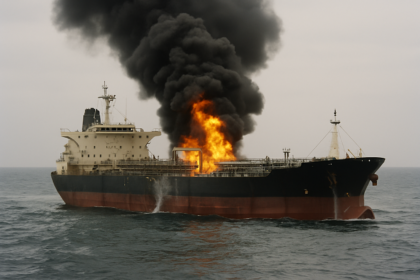
International Maritime Organization data reveals that at least 84 ships have been attacked in the region, leading to 23 crew casualties. This aggressive environment has resulted in a significant decrease in daily vessel crossings, falling to approximately 20 this month compared to more than 130 crossings before the hostilities escalated. IUMI Secretary General Lars Lange noted that despite the increased premium rates for transits through Hormuz, overall insurance revenue for marine insurers has sharply declined due to the much-reduced number of ships transiting the area.


Government Support Measures
In response to the crisis, the U.S. has initiated a $40 billion reinsurance facility through the Development Finance Corporation in conjunction with major insurers like Chubb. Meanwhile, Saudi Arabia is developing a marine insurance pool to bolster protection for shipping interests in the region. The UAE’s DP World has also stepped in to provide cargo insurance against potential war-related losses. These measures signal a coordinated effort to stabilize insurance availability amidst a volatile maritime environment.
The Operational Read
The ongoing conflict and the associated rise in war risk premiums present complex challenges for shipping operators and insurers alike. While increased premiums typically suggest heightened risk, the severe drop in transit volumes through the Strait of Hormuz indicates that many ship operators are opting to avoid the region due to safety concerns, introducing a paradox where higher costs do not necessarily equate to increased coverage utilization. Observers should monitor how market participants adjust to these developments, especially in terms of government interventions, which may redefine risk management strategies and alter long-term operational routes amid ongoing geopolitical tensions.