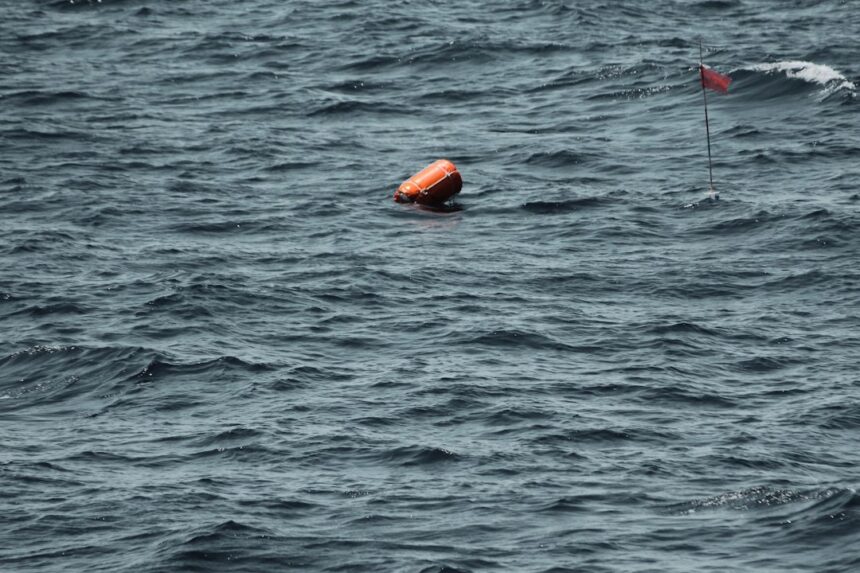
On November 26, 2025, an incident involving the accidental release of a free-fall lifeboat (FFLB) occurred from a 28-year-old vessel while transiting from Kochi to New Mangalore. The incident took place at approximately 1330 hrs, with the vessel’s crew first noticing the lifeboat missing from its cradle. In response, the Master initiated an emergency muster, verified the crew’s safety, and promptly contacted the Indian Coast Guard along with the shipping company.
Following the incident, the vessel retraced its course and sighted the lifeboat in the water around 1430 hrs. It was successfully recovered at 1653 hrs, allowing the vessel to resume its voyage by 1700 hrs, having informed all relevant parties and terminated the security alert. Fortunately, there were no reported casualties, pollution, or structural damage as a result of this event.
The Cause of the Incident
The investigation conducted by the Directorate General of Maritime Administration (DGMA) revealed critical insights into the causative factors behind the incident. The primary issue identified was the age-related deterioration of the FFLB’s release hook, which was discovered to be significantly corroded and diminished in structural integrity. This corrosion compromised the proper engagement between the hook and the holding cam, enabling it to slip free despite the cam being in a locked position.


Under standard operating conditions, the release of the hook necessitates deliberate manual activation of a release mechanism, which includes removing an interlocking pin. However, the fact that the hydraulic unit’s bypass valve was left open contributed to the accidental release, as closing this valve is crucial for activating the release piston.

Recommendations for Safety Improvement
As a consequence of this incident and the findings from the investigation, the DGMA has issued a Safety Advisory recommending several key measures. Operators are advised to perform thorough inspections of the release hook and related holding cam assembly, making repairs or replacements as necessary after consultation with manufacturers or relevant service stations. This preventive action serves to mitigate risks associated with aging safety equipment.
The Operational Read
This incident underscores the importance of regular maintenance and inspection of lifeboat release mechanisms, particularly in older vessels. Operators must remain vigilant against equipment deterioration, which can compromise safety measures essential for crew evacuation during emergencies. Monitoring corrosion levels and ensuring adherence to preventative maintenance schedules are crucial to maintaining the integrity of lifesaving appliances. As the maritime sector grapples with aging fleets, the lessons learned from this incident could inform broader safety protocols and training for crew members, ultimately enhancing maritime safety standards.