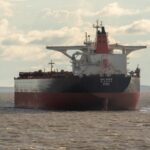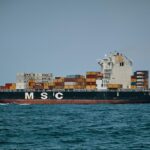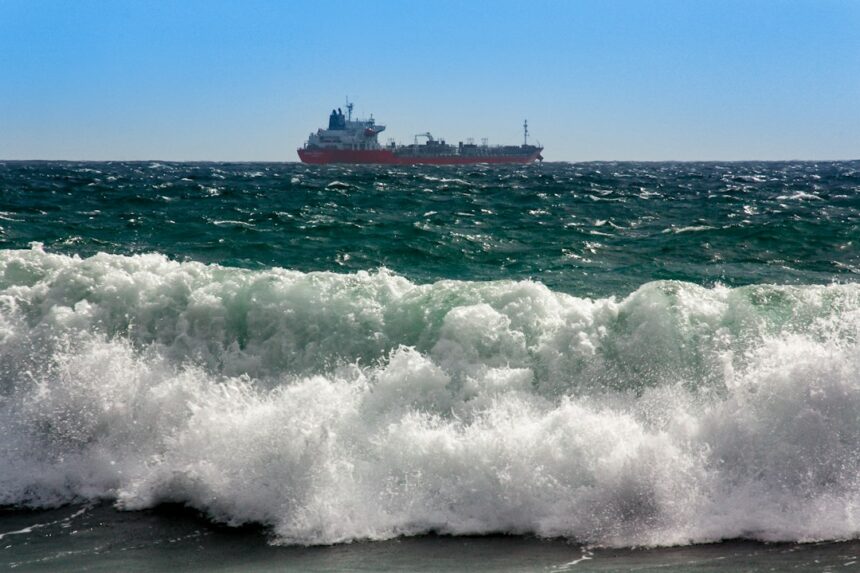
Very Large Crude Carriers (VLCCs) have begun avoiding the Bab al-Mandab Strait as military tensions mount between Houthi forces and Saudi Arabia, causing a significant impact on oil shipping rates. The rise in shipping risks has prompted a sharp reduction in VLCC transit, with data showing no crossings since September 9, a stark contrast to prior months.
Escalating Military Activity
Recent military advances by the Houthis, including their occupation of Perim Island and incursions into the coastal city of Mokha, have exacerbated threats to vessels traversing the region. These developments follow Houthi declarations of a naval blockade on Saudi-bound shipments and attacks on vessels operated by Bahri, the state carrier of Saudi Arabia. According to risk consultancy Dryad Global, this positioning has provided the Houthis with strategic advantages over the Bab al-Mandab Strait.
Market Shifts and Shipping Strategies
The impact on VLCC transit is significant; S&P Global Commodities data indicates that VLCC crossings have decreased from 24 in August to just three earlier this month. As a consequence, tanker executives report bolstering of tanker markets, with VLCCs now sourcing oil from the Mediterranean and Atlantic to Asia. This shift in routing has increased ton-mile demand and contributed to rising shipping rates. The Global VLCC Index highlighted this market volatility, reaching a historic high of $970,635/day on September 16, compared to $519,041/day at the start of September.

Saudi Arabia has been compelled to redirect its crude exports, significantly increasing shipments from its Yanbu terminal via the Suez Canal, which lengthens transit times but mitigates risk. August saw these shipments represent 58% of flows to Asia, up from just 5% in July, emphasizing the urgency for alternative routes.
The Outlook Ahead
Looking forward, increased military threats from the Houthis could further obstruct Saudi Arabia’s vital Red Sea export routes. Analysts suggest that continued naval disruption may necessitate enhanced surveillance and precautionary measures, potentially inflating insurance costs and complicating chartering practices. The Houthis have publicly professed that Red Sea shipping remains safe except for Saudi-linked vessels, but this assertion contrasts sharply with the assessments of maritime risk which are on the rise.
The Operational Read
The current situation in the Bab al-Mandab Strait poses complicated operational challenges for ship operators and charterers alike. For VLCCs, the necessity to reroute oil supplies has led to increased operating costs and elongated voyage times. As market dynamics shift, operators must remain agile in navigating both geopolitical and market-led risks. The situation warrants close monitoring, particularly as factors such as insurance premiums and cargo delays become prevalent due to evolving threats.