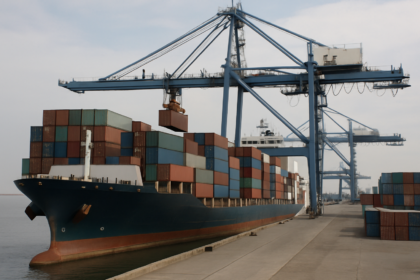
Russia’s Novorossiysk Port, a critical hub for oil exports on the Black Sea, resumed loading operations on Sunday after a temporary shutdown prompted by a drone attack on Friday. The port is essential for exporting Kazakh KEBCO crude oil and serves as a key transit route for landlocked Kazakhstan.
The Attack and Immediate Impact
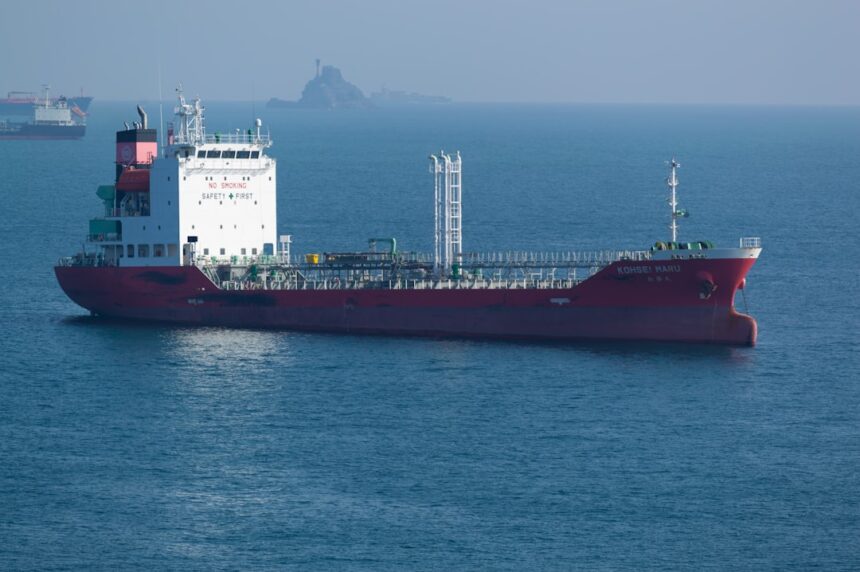
Following the attempted drone attack on the Sheskharis terminal—Novorossiysk’s main oil export facility—the port suspended crude loadings and ceased accepting oil as its storage tanks reached capacity. A Suezmax-class tanker initiating loading on Sunday marks the port’s quick recovery from the incident, with another vessel anticipated to load an additional 80,000 tons of KEBCO crude by Tuesday.
Operational Capacity and Strategic Importance
Novorossiysk has a robust capacity to handle approximately 700,000 barrels per day, accommodating various grades, including Russia’s Urals and Siberian Light. The Sheskharis terminal plays a pivotal role not just for Russian exports but also for Kazakhstan, facilitating the transportation of its oil grades to the global market. The swift resumption of operations following the attack reflects both the port’s operational resilience and its importance within the broader regional energy logistics framework.


Wider Implications for Maritime Security
The succession of drone attacks targeting Russian energy infrastructure has raised concerns about maritime security in the Black Sea region. The brief disruption of operations at Novorossiysk illustrates the ongoing vulnerabilities faced by such facilities amid heightened geopolitical tensions. Operators within the energy sector and shipping routes reliant on this port will be closely monitoring security developments, as the potential for future disruptions could significantly affect supply chain stability.
Behind the Headline
The resumption of activities at Novorossiysk Port after the drone attack highlights the operational realities of energy infrastructure in conflict-affected zones. As international demand for oil remains high, the port’s ability to withstand such incidents will be critical for sustaining flow rates. Operators will need to assess not only current security protocols but also potential contingency measures to mitigate disruptions. Given the port’s key role for Kazakhstan, continued vulnerabilities could lead to strategic shifts in shipping logistics and trade routes, with monitoring and adaptation becoming paramount in the months ahead.