Update 17 Aug 2026, 06:34 UTC:
Norwegian offshore vessel owner DOF has announced the acquisition of two subsea service contracts in the Asia-Pacific region, with a total estimated value ranging from $25 million to $50 million. These contracts represent a significant opportunity for DOF in a competitive subsea market, underscoring the increasing demand for offshore services.
Details of the Contracts
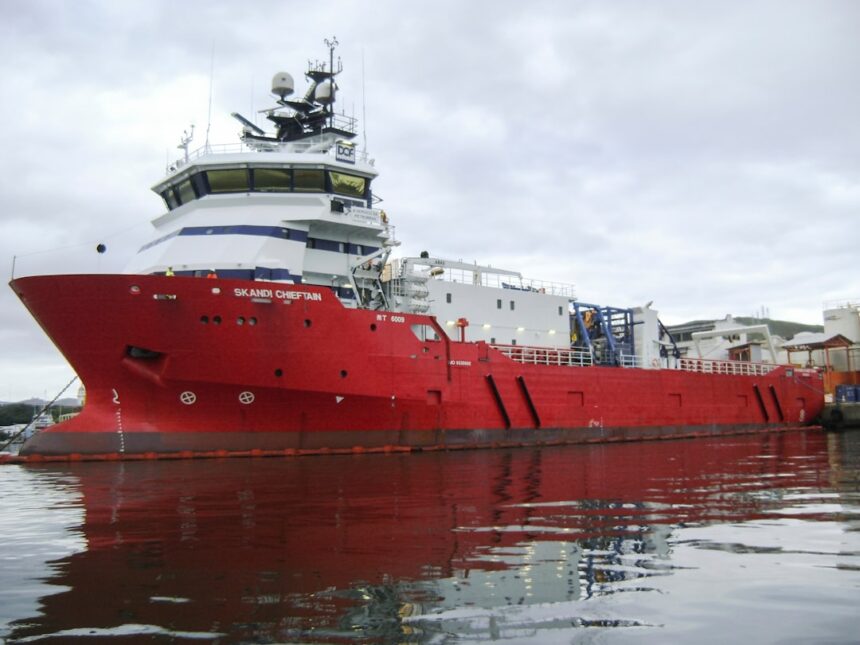
The offshore campaigns are slated to be carried out over a combined duration of approximately 80 days, spanning 2026 and 2027. DOF plans to deploy multipurpose vessels from its regional fleet to execute the operations effectively. This strategic decision not only optimizes resource allocation but also enhances DOF’s operational capabilities within the region.


Market Impact
DOF’s successful capture of these contracts is indicative of the robust activity within the Asia-Pacific subsea sector. The region has witnessed heightened interest from various operators, driven by a growing focus on subsea infrastructure and maintenance. As more investments flow into subsea technology and capabilities, players within the industry will need to adapt to rapidly evolving standards and operational demands.

Operator Response
With the awarding of these contracts, DOF is expected to solidify its position in the Asia-Pacific market, offering enhanced services in line with the rising industry requirements. As operators continue to seek advanced solutions for subsea challenges, the firm’s strategic investments indicate its readiness to meet this demand.
Behind the Headline
The securing of these subsea service contracts highlights the ongoing transformation of the Asia-Pacific offshore sector. For operators, this represents a chance to engage with advanced technologies and methodologies that are essential for efficient subsea execution. As the competition intensifies, particularly with emerging players entering the market, maintaining high operational standards and innovative practices will be paramount. Monitoring how DOF and others evolve their service offerings in response to market demands will provide key insights into the future of subsea operations.