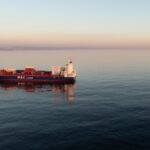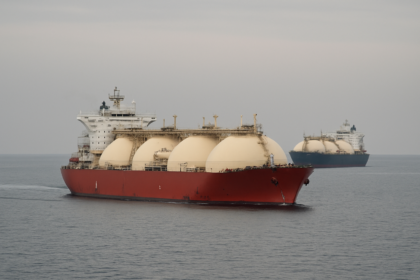
Attacks on commercial vessels in the Strait of Hormuz are forcing significant changes in maritime navigation patterns, with operators increasingly favoring the Iranian-controlled route. According to the latest assessment from the UK Maritime Trade Operations (UKMTO), 16 out of 18 projectile strikes reported since July 6 have occurred in the Omani corridor, shifting vessel traffic dynamics.
The Incident
The UKMTO has documented a persistent concentration of hostile actions against shipping in the southern Omani route, indicating a strategic risk that has prompted many vessels to abort planned courses. The assessment underlined that vessel traffic through this critical oil chokepoint has seen a marked reduction since a temporary uptick in late June. Both outbound and inbound transits have dwindled as operators reassess their navigation options amidst growing security concerns.
Market Impact
The transition towards the northern route, overseen by Iran’s Persian Gulf Strait Authority (PGSA), is indicative of a broader strategy among shipping companies to prioritize safety amid rising hostility. UKMTO’s detailed reporting shows that for the week ending August 14, 19 vessels took the northern route, in stark contrast to just eight vessels using the southern Omani corridor. The immediate reasons for this realignment include multiple projectile attacks that resulted in damage to engine rooms, raising the possibility of propulsion loss in narrow and congested waters.

Operator Response
In light of these developments, operators are exhibiting increased caution, with UKMTO reporting that many are choosing to reroute north, driven by a principle of “risk avoidance” rather than simply changing their routing patterns. The recent drone strikes on two tankers associated with the Abu Dhabi National Oil Company (ADNOC) underscore the persistent threats in the region, with both vessels sustaining minor damage as their crews remained safe. The heightened risk has also led to claims from the UAE attributing the attacks to Iranian forces, though Iran has not publicly responded to these allegations.
The Operational Read
This shift in traffic patterns through the Strait of Hormuz reflects a growing recognition of the operational risks associated with navigation in hostile environments. Shipping companies are now reevaluating their strategies for routing and risk management, underscoring the imperative to consider geopolitical developments alongside operational logistics. The changing dynamics could also influence charter party negotiations, insurance premiums, and fuel supply arrangements, as operators seek to mitigate risks in the volatile Persian Gulf region. Monitoring developments in the Iranian naval posture, as well as ongoing assessments from agencies like UKMTO, will be crucial for stakeholders in the maritime industry.