Update 16 Aug 2026, 00:32 UTC:
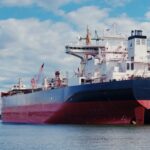
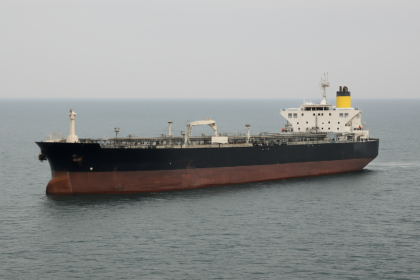
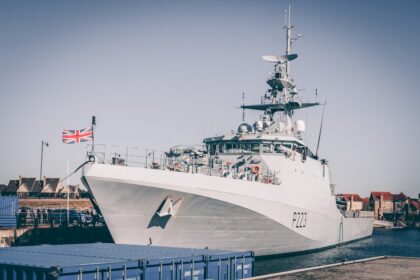
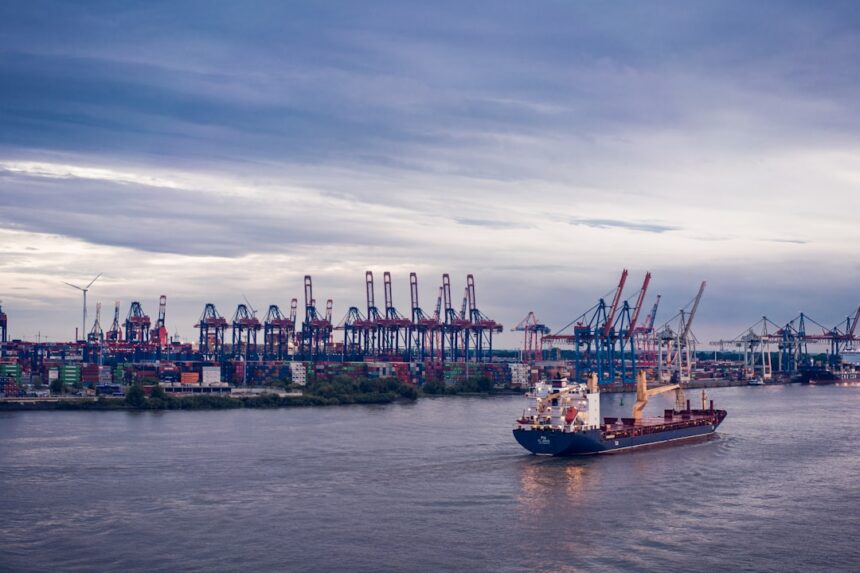
In a continuing trend of maritime insecurity, several vessels have recently come under attack in the Strait of Hormuz, as reported by the UK Maritime Trade Operations. A bulk carrier was hit by a projectile, while two Abu Dhabi National Oil Co. vessels were struck during transit.
This uptick in maritime violence is occurring against the backdrop of stalled negotiations aimed at ending the ongoing conflict in the Middle East and the United States’ plans to implement new economic measures against Iran. The shipping route, crucial for global oil and gas transit, is vital for maintaining stable supply chains, and these incidents underscore the escalating risks faced by vessels operating in the region.

The Current Maritime Situation
The attacks in the past week are part of a broader context that has seen approximately 65 confirmed incidents involving commercial vessels in the Strait of Hormuz and surrounding waters. As per the International Maritime Organization, these conflicts have resulted in the deaths of 17 seafarers as of August 11. With a significant portion of the world’s crude traversing this vital chokepoint, these developments raise alarms regarding maritime security and the potential ripple effects on global energy prices.
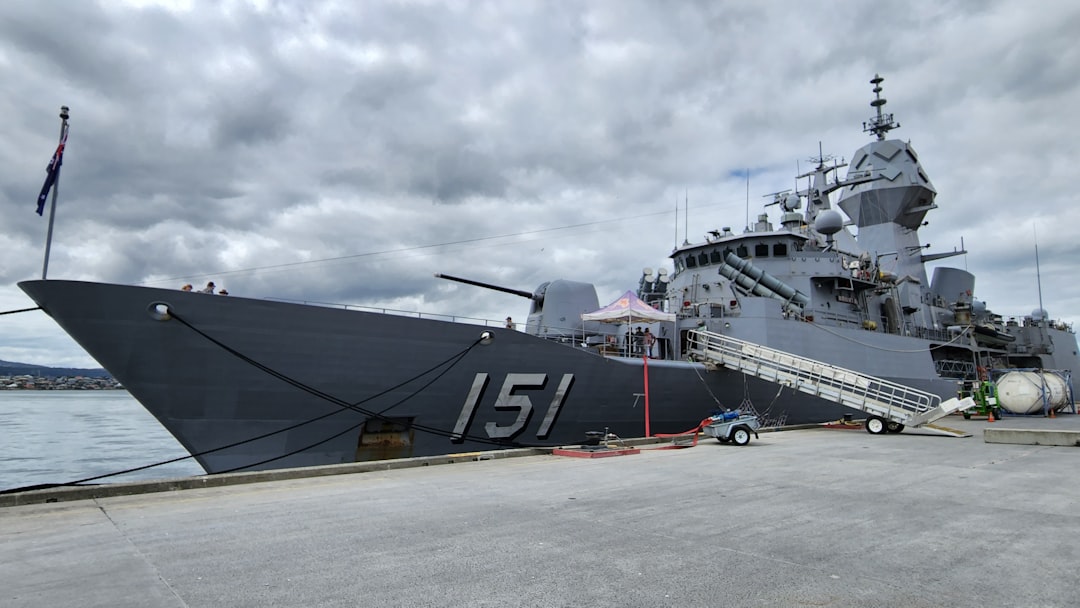
U.S. President Donald Trump has expressed intentions to tighten economic pressure on Iran further, stating that he does not prioritize the end of hostilities before the forthcoming U.S. midterm elections. His comments about a hypothetical U.S. governance of the Strait signal a potential escalation in rhetoric, which could have profound implications for shipping operations.
Potential Market Impact
The ongoing tensions in the Strait of Hormuz have already begun to affect market dynamics, notably with Brent crude futures rising nearly 6% this week. This volatility is likely to influence shipping costs and operational decisions as companies recalibrate risk assessments and establish contingency plans.
Additionally, the possibility of new U.S. sanctions, as indicated by Treasury Secretary Scott Bessent, adds uncertainty to the market. Expected new measures are described as unprecedented in the context of economic isolation, which could influence the operational viability of affected companies and their ability to navigate the volatile waters of the Persian Gulf.
The Operational Read
For operators involved in transit through the Strait of Hormuz, the current situation necessitates a reevaluation of safety protocols and risk management strategies. Increased incidents of aggression towards commercial vessels stipulate a need for heightened vigilance, potential rerouting, and back-up plans for quick response. Chaterers may face decisions regarding war-risk premiums, which are likely to vary based on real-time assessments of the geopolitical climate. As the U.S. and Iran continue their contentious posturing, operators must closely monitor developments, particularly related to potential new U.S. economic measures and their implications for vessel mobility through one of the world’s key maritime chokepoints.