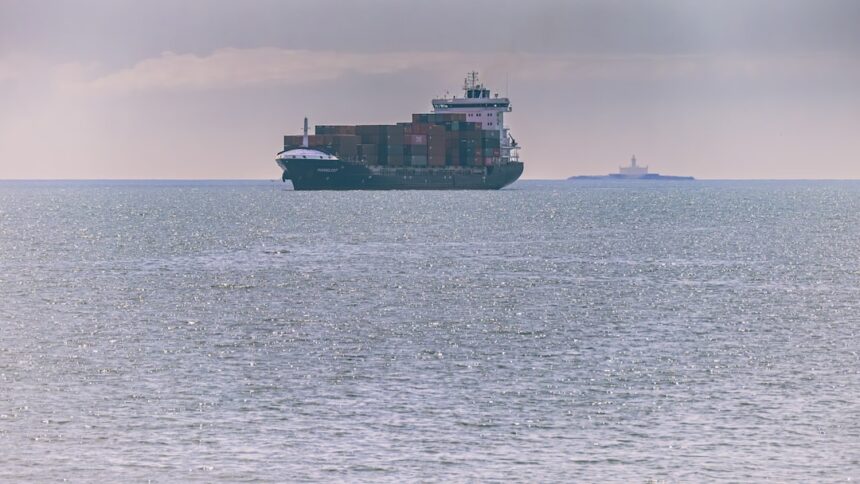
On Tuesday, escalating conflict in the Middle East’s crucial maritime corridors led the US Navy to disable a containership in the Gulf of Oman. This decisive action coincided with a separate incident in the Bab el-Mandeb Strait, where an attack resulted in six fatalities, raising alarms within the global shipping community about safety and operational continuity in these vital shipping lanes.
The Incident
US Central Command reported that an MH-60 helicopter fired two Hellfire missiles at the vessel, although details surrounding the containership’s identity and its operational status remained undisclosed. This intervention underscores the strategic importance of ensuring maritime security, particularly in an area where commercial vessels have faced mounting threats.
The Bab el-Mandeb Strait has been identified as one of the most disrupted corridors in international trade, making it crucial for shipping operators to monitor unfolding developments closely, as incidents of violence have prompted concerns about the security of vessels transiting the region.

Market Impact
The combined incidents signal a critical juncture for shipping companies operating in the Red Sea and Gulf of Oman, where heightened hostilities may provoke reconsideration of routing and insurance parameters. Operators may face increased war-risk premiums and demurrage costs as the situation develops. The potential for significant disruptions in trade routes is a concern, as the Bab el-Mandeb Strait is a key chokepoint for global maritime trade.
Operator Response
In response to the changing dynamics, shipping operators are anticipated to enhance risk assessments and might explore alternative routing options to mitigate exposure to violence. The threat of further assaults could catalyze an increase in operational costs, which is likely to impact freight rates across affected routes. Industry stakeholders are advised to remain vigilant and adaptable as geopolitical tensions influence commercial maritime activities.
The Operational Read
As tensions escalate in the Gulf of Oman and Bab el-Mandeb, the operational landscape for shipping companies is rapidly evolving. Operators must recalibrate their risk assessments, focusing on the intricacies of insurance, demurrage implications, and the potential need for expedited transit or alternative routes. The use of military force in response to perceived threats raises the stakes significantly, and operators are expected to engage in proactive measures, including enhanced security protocols and closer coordination with maritime authorities. Observations of shipping traffic trends and geopolitical developments will be crucial in navigating this high-risk maritime environment.