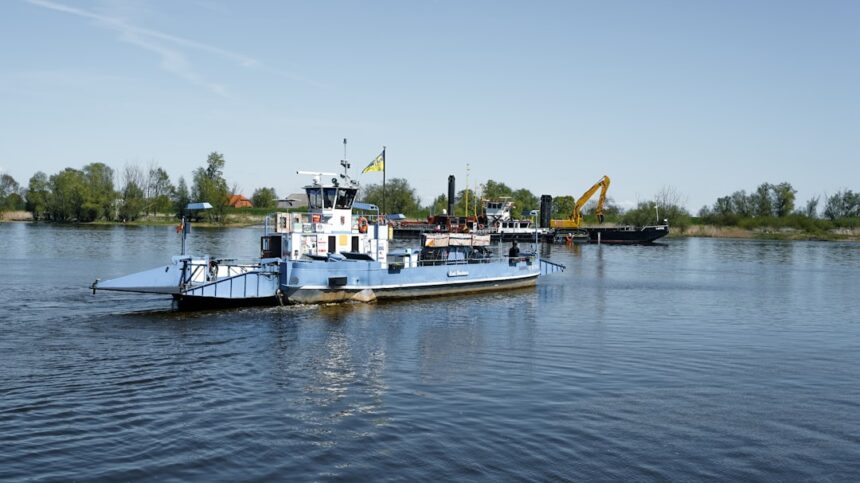
Water levels on the Rhine River have fallen to record lows, prompting significant disruption in shipping and logistics across key industrial sectors in Europe. The shallowest point at Kaub, Germany, has reached its lowest depth since records began in 1880, leaving many river transport operations at a standstill.
Current Conditions on the Rhine
As of the latest reports, water levels at Kaub have dropped to 14 centimeters, which, while still allowing for some navigation, poses significant limitations for barge operators. The Inland Waterway Transport Cooperative maintains that navigation remains possible at this level, though the practical capability for many vessels is increasingly being challenged as they struggle to manage lighter loads.
Companies reliant on the Rhine for transporting goods—ranging from steel and chemicals to fuel—are now faced with serious logistical hurdles. Lanxess, a specialty chemicals producer, indicated that shipments have been severely restricted, leading to a transition towards rail and road logistics to maintain supply chains. Similarly, BASF has reported isolated complications yet is managing to continue operations by utilizing specialized vessels suitable for low-water conditions.

Impact on Key Industries
The disruptions are expected to have ripple effects on various industries dependent on consistent transport along the Rhine. German energy utility EnBW, for instance, has warned that the continuing low water levels are likely to lead to financial losses in the low double-digit million-euro range due to constraints on coal shipping from Rotterdam.
Indeed, commodities typically transported through this vital waterway—including heating oil, coal, grains, and cocoa—face delays, as operators such as Miro oil refinery seek alternative shipping routes amid dwindling capacities. Forecasts suggest that it will take sustained rainfall weeks to restore the river to more manageable levels, indicating the potential for ongoing supply chain disturbances into October.
Logistics Adaptation Strategies
Operators are adapting their logistics and transportation strategies in response to the evolving conditions. Evonik Industries has implemented extensive precautionary measures, shifting portions of its freight transport to alternative methods. Meanwhile, BASF is also adapting, relying on increased barge deployments while continuously monitoring water level fluctuations.
The unique navigational challenges presented by low water levels further complicate supply routes. Barges equipped with multiple propellers may still transit through shallower sections, but shipping brokers are warning that segments of the river may effectively become impassable, particularly upstream locations.
Behind the Headline
The ongoing low water levels of the Rhine River underscore the vulnerabilities of today’s supply chains in the face of extreme weather patterns. As the shipping industry faces operational adjustments, companies must navigate multifaceted challenges in securing material supplies and managing transportation costs. The Rhine’s significance as a commercial route means that continued disruptions could have lasting implications for pricing and availability of goods across Europe’s markets. Stakeholders will need to closely monitor weather forecasts and adjust logistics strategies to mitigate further impacts as the situation evolves.