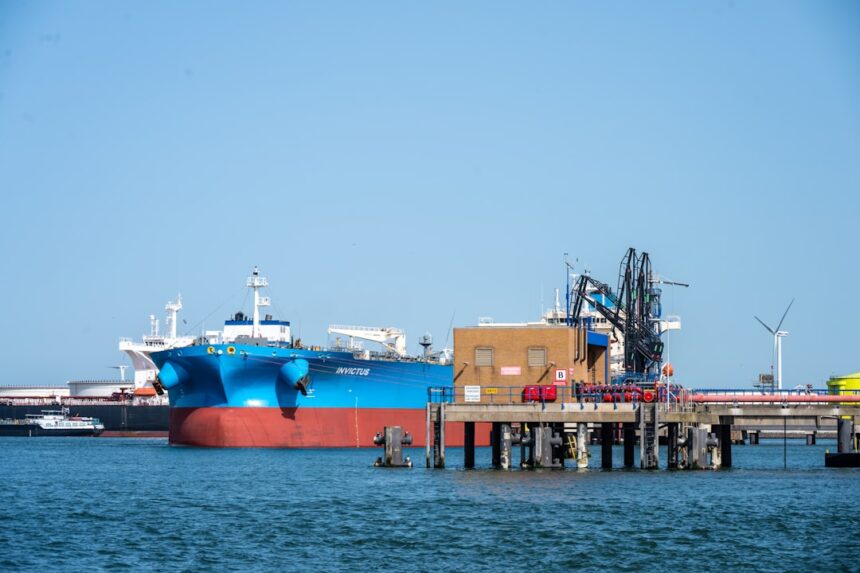
The White House is poised to extend the waiver of the Jones Act, a significant maritime regulation that mandates cargo transported between U.S. ports to be carried on vessels built, owned, and crewed by Americans. Sources familiar with the situation indicate that the extension is geared toward addressing soaring gasoline prices, which are currently exceeding $4 per gallon. This strategic move represents one of the few remaining tools available to the Biden administration as midterm elections approach and public pressure mounts.
Background on the Jones Act Waiver
The Jones Act, established over a century ago, is designed to protect American maritime interests by ensuring that domestic cargo is handled by U.S. vessels. However, the recent waiver has been enacted to enhance shipping flexibility and mitigate transport bottlenecks within the oil sector, allowing for an unprecedented number of waivers to be granted—nearly 200 times in just four and a half months. The current waiver is expected to expire on August 16, marking the longest suspension of Jones Act rules in history.
Political and Industry Response
The anticipated extension comes amid increased scrutiny from both political figures and industry stakeholders. Key Republican lawmakers have expressed concerns that a broad application of the waiver could pose risks to national security and undermine the domestic shipping fleet. Critics are calling for geographic limitations on waivers and heightened oversight of shipments to protect U.S. maritime interests.



White House trade advisor Peter Navarro and other officials have actively engaged with various stakeholders to monitor how the waiver is being utilized. Although no final decision has been announced, discussions are ongoing, indicating that the administration is weighing the economic implications against national security considerations.
The Market Impact and Future Considerations
While the waiver allows for a more robust supply of tankers to transport fuel, experts like Bob McNally of Rapidan Energy Group caution that it may only marginally reduce gasoline prices by a few cents per gallon. Other avenues for addressing rising gas prices have included increasing oil supply and using regulatory flexibility, but options such as taxation or legal action against oil companies remain politically sensitive and economically precarious.
The Operational Read
The forthcoming extension of the Jones Act waiver reflects growing pressures on the U.S. administration to find viable solutions to rising fuel prices, particularly as midterm elections loom. For operators within the maritime industry, this waiver increases access to vessels for critical fuel supply movements, yet the implications of potential limitations or stricter scrutiny could affect operational logistics and compliance costs. Stakeholders must remain vigilant, as the evolving dialogue around the waiver may signal a shift in how the U.S. approaches maritime regulations and domestic fleet support in a fluctuating energy market.