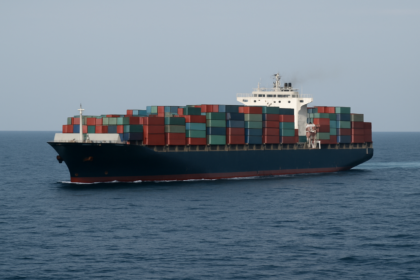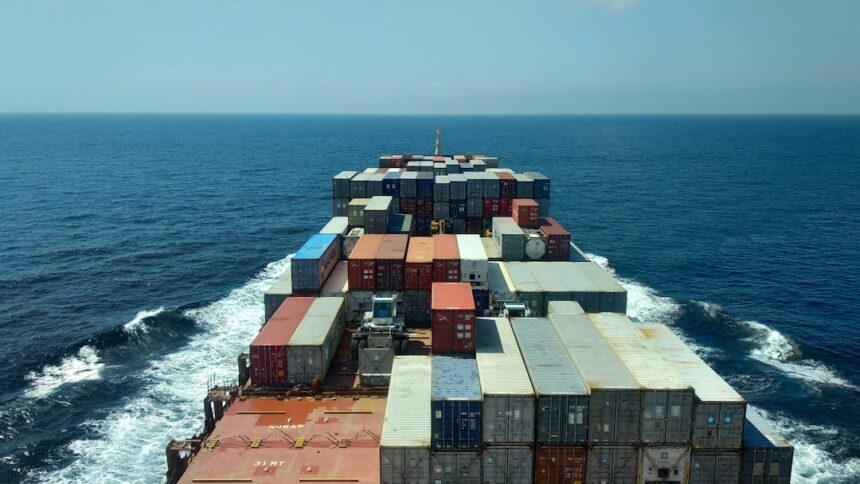
Container carriers are making a pronounced move towards increasing their owned tonnage as they navigate a constrained charter market characterized by limited vessel availability. According to recent data from Sea-Intelligence, global carriers now control 63% of their operated capacity through owned ships, a significant rise from just 43% noted in January 2020.
Strategic Shift Among Major Carriers
The shift in ownership is significantly influenced by leading shipping companies such as Mediterranean Shipping Co (MSC), HMM, and Wan Hai. These companies are proactively bolstering their capacities to mitigate risks associated with fluctuating charter rates and availability. By investing in owned vessels, they aim to enhance operational flexibility and stabilize their logistics networks.
Market Conditions Driving Ownership
This strategic pivot towards owned tonnage is a direct response to ongoing pressures within the charter market. The limited availability of vessels has made it increasingly challenging for operators to secure charters at favorable rates. In light of these challenges, relying on owned ships allows carriers to control costs more effectively and maintain service reliability.

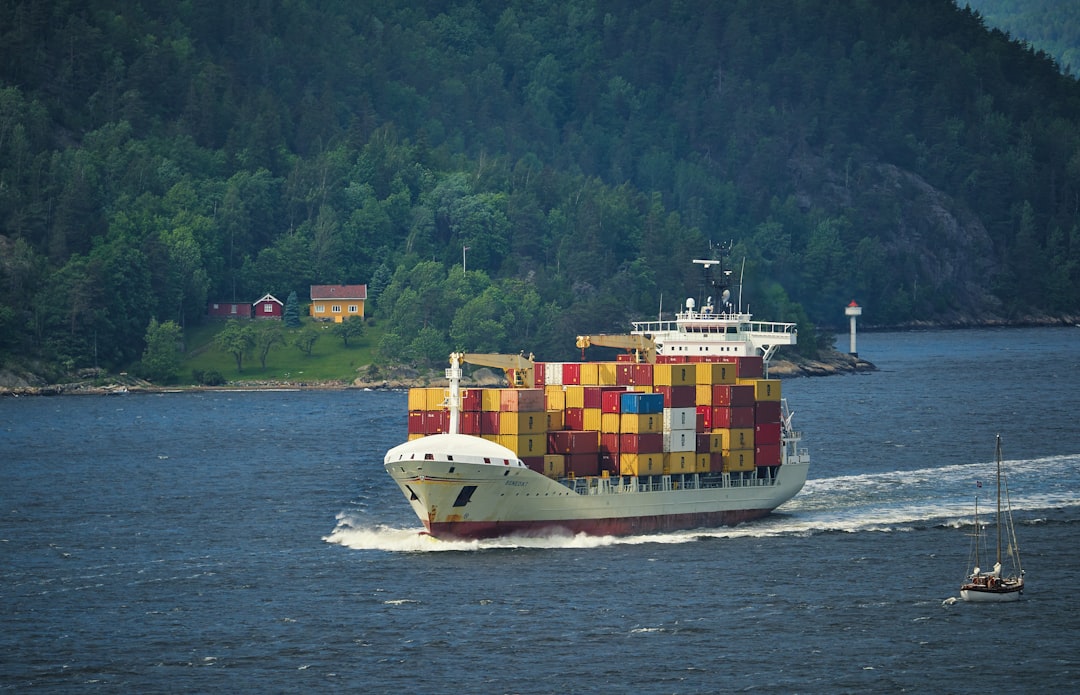
The reduced dependence on the charter market is not just a tactical decision but also reflects broader changes in market dynamics, where volatility in shipping costs can significantly affect profitability. As carriers seek to manage expenses and operational efficiency, the trend towards owning more of their fleets is likely to continue.
Upcoming Implications for the Charter Market
The shift towards owned tonnage may have significant implications for the charter market. With an increasing number of container lines opting to own rather than charter vessels, fewer ships will be available on the spot and term charter markets. This could lead to an upward pressure on charter rates, as the remaining vessels become more coveted by operators who are unable to afford or manage the complexities of owning a fleet.
Behind the Headline
The trend toward increased vessel ownership among container carriers highlights a strategic recalibration in response to longstanding challenges within the charter market. By bolstering their owned fleets, operators can unlock greater operational efficiencies and mitigate the financial impacts of charter volatility. The long-term implications may shape market dynamics, influencing how shipping lines approach capacity management and operational resilience. Interested stakeholders should monitor how this trend evolves, particularly regarding its impact on charter rates and market supply chains.