The Panama Canal Authority has advanced its plans for the Energy Corridor, having successfully concluded the document submission phase for interested companies seeking prequalification. This process closed on July 23 and is part of a significant infrastructure expansion, potentially the most ambitious in decades.
Canal officials will now evaluate the submitted applications against specific legal, technical, and financial criteria detailed in the prequalification documents, along with subsequent amendments. This review is intended to ensure transparency and fair competition among bidders, leading to the publication of a list of prequalified companies that will move on to further discussions and engagement.
The Energy Corridor Project
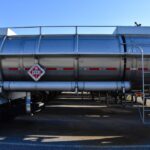
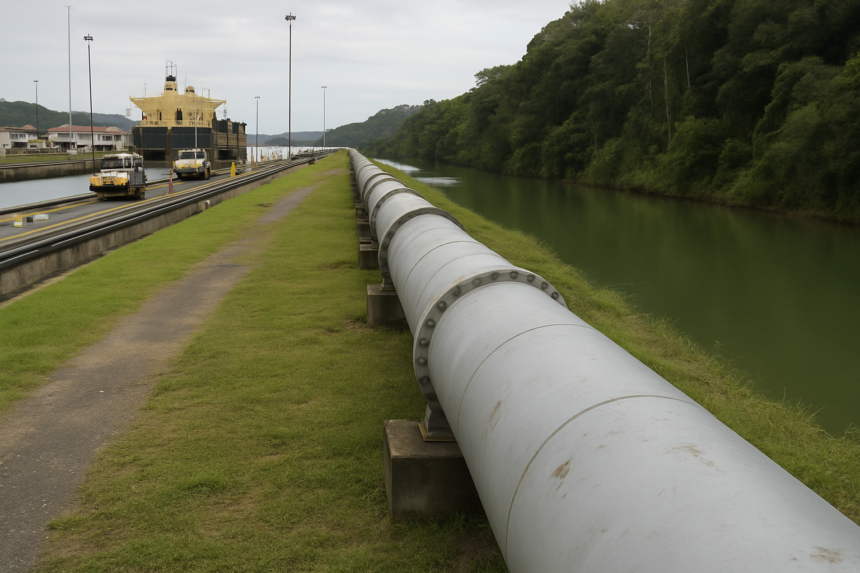
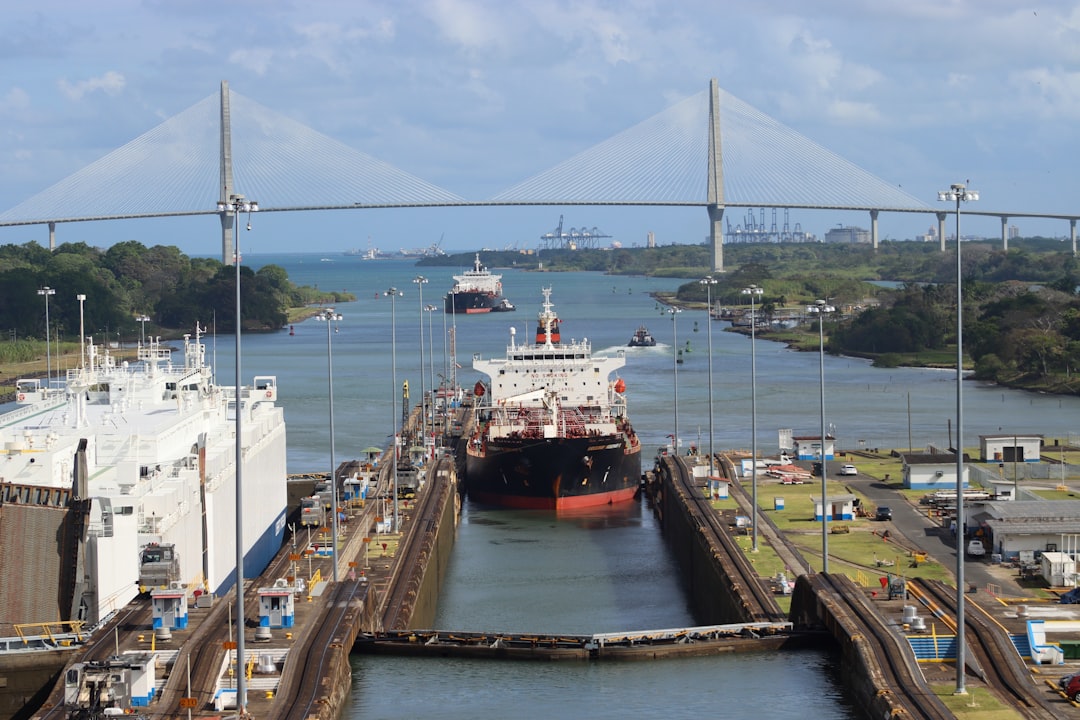
At the core of this initiative is a proposed 76-kilometer (47-mile) pipeline that will facilitate the transportation of propane, butane, and ethane between Panama’s Atlantic and Pacific coasts. This infrastructure aims to address climatic constraints affecting canal operations by entirely bypassing the canal’s locks and eliminating the need for freshwater.

Canal Administrator Ricaurte Vásquez emphasized the strategic essence of this project, aligning it with the increasing global energy transportation demands. The system is projected to handle up to 2.5 million barrels per day, thus enhancing the overall logistics that Panama can offer internationally.
Broader Infrastructure Strategy
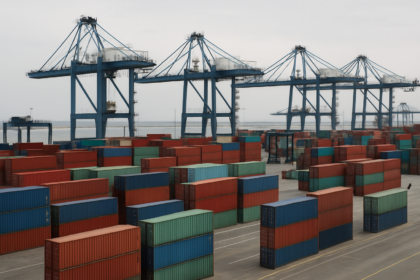
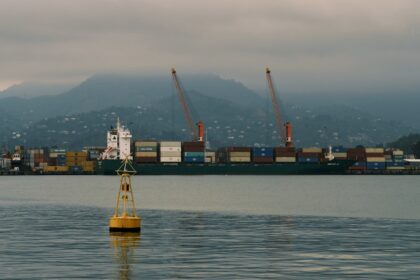
This Energy Corridor is not an isolated project; it falls within a broader infrastructure development strategy that includes new container terminals on both coasts of the canal. These terminals aim to significantly enhance Panama’s annual transshipment capacity by an additional 5 to 6 million TEUs and are expected to involve an investment of approximately $2.6 billion.
The ramifications are substantial, as this expansion is likely to generate thousands of jobs, both during the construction phase and in permanent positions following completion. The entire program is part of the Panama Canal Authority’s Strategic Vision 2025-2035, an ambitious initiative benefitting from an $8.5 billion investment aimed at revitalizing logistics infrastructure, improving transportation, and bolstering water management systems.
Behind the Headline
The ongoing developments regarding the Energy Corridor reflect a significant pivot in the Panama Canal Authority’s strategy to maintain its competitiveness in a rapidly evolving global logistics landscape. As more energy companies express interest, the implications for trade routes and energy supply chains could become profound. Operators and stakeholders should monitor this project closely, particularly as it represents a crucial opportunity for Panama to reinforce its position as a key player in energy transport amidst changing climatic conditions. The project’s success could reshape logistics operations significantly, impacting both regional and global markets.