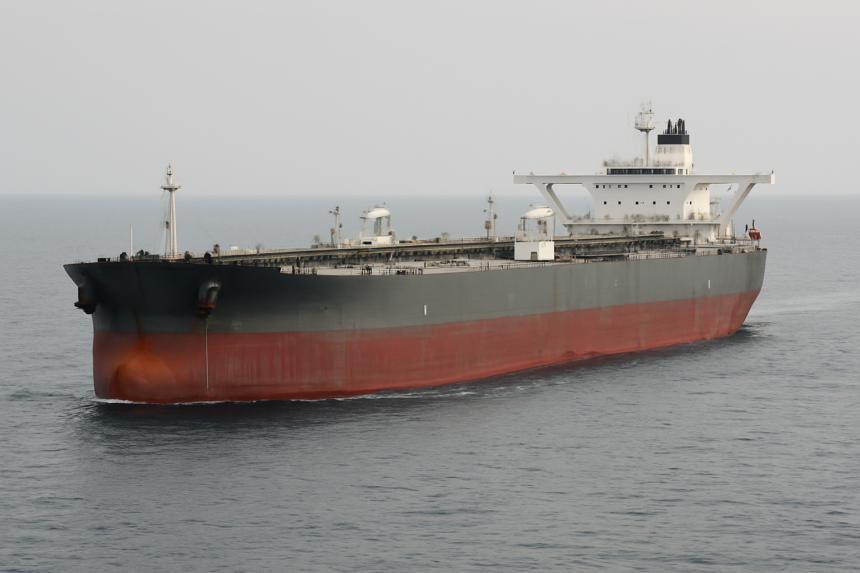
New York-listed DHT Holdings has secured a three-year time charter for its very large crude carrier (VLCC) DHT Jaguar, marking a significant step in its ongoing strategy to establish forward cover at advantageous rates. The contract, set at $75,000 per day, is with an unnamed global energy company.
Strategic Positioning
This agreement reflects DHT’s commitment to locking in strong charter rates amid ongoing fluctuations in the shipping and energy markets. By securing a long-term contract, DHT enhances its revenue stability while effectively managing market risks. The company’s proactive approach not only mitigates exposure to potential downward price movements but also capitalizes on the current firm charter levels.
Market Context
The VLCC market has seen various dynamics influenced by global oil production changes and ongoing geopolitical tensions affecting maritime operations. DHT’s capability to secure a charter at $75,000 per day indicates confidence in continued demand for tankers capable of transiting key trade routes. The chartering of DHT Jaguar adds to the company’s fleet utilization strategy, ensuring that it remains competitive as global oil markets evolve.

Industry Implications
The signing of this charter agreement is anticipated to have ripple effects across the shipping sector, particularly for other VLCC operators looking to negotiate favorable contracts in a tight charter market. As oil demand adjusts in response to global economic conditions, having a reliable, forward-looking charter arrangement positions DHT to respond effectively to changing market conditions.
Behind the Headline
The proactive chartering strategy employed by DHT Holdings is indicative of broader trends in the shipping industry where operators are increasingly focused on securing long-term contracts to stabilize future revenues. The $75,000 daily rate represents a competitive positioning amidst fluctuating charter levels, highlighting the importance of time charters in fleet management. The success of DHT in this regard may influence market pricing as other operators assess their own fleet capabilities and charter strategies, shaping overall market confidence.