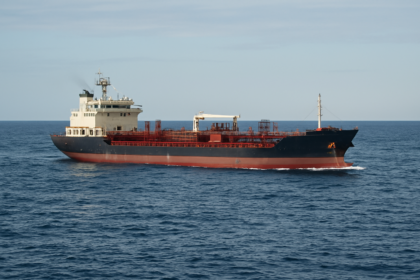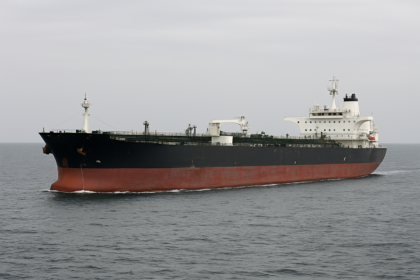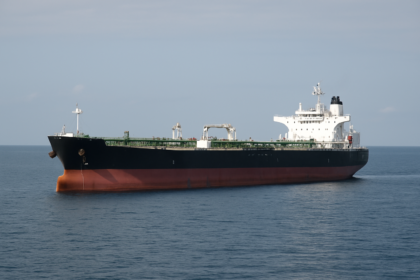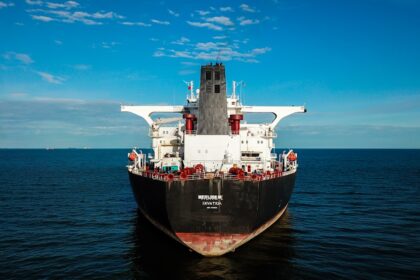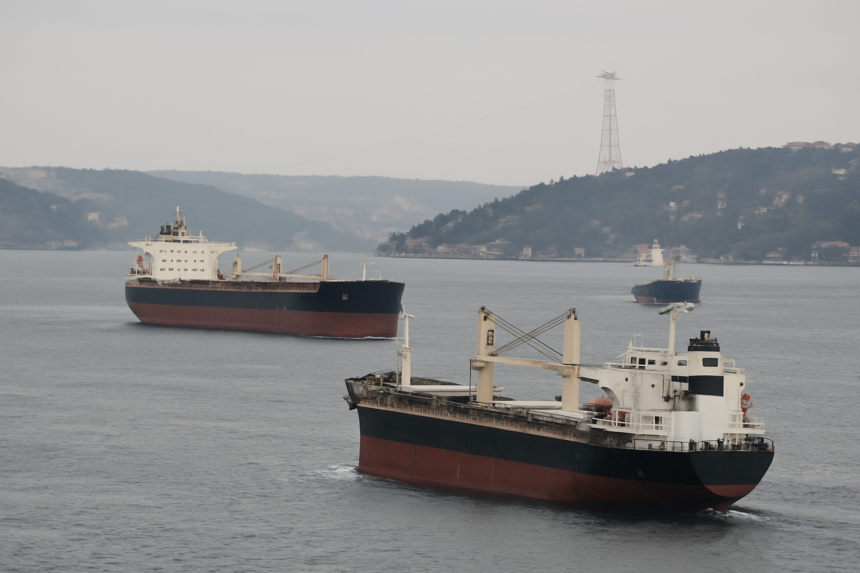
In a notable shift amidst rising tensions, several vessels have recently made clandestine transits through the Strait of Hormuz without broadcasting their locations via Automatic Identification Systems (AIS). According to preliminary data from Kpler, on Sunday, all six commodity carriers that navigated the strait did so with their transponders turned off, marking a significant trend of ‘dark crossings’ as observable traffic dwindles.
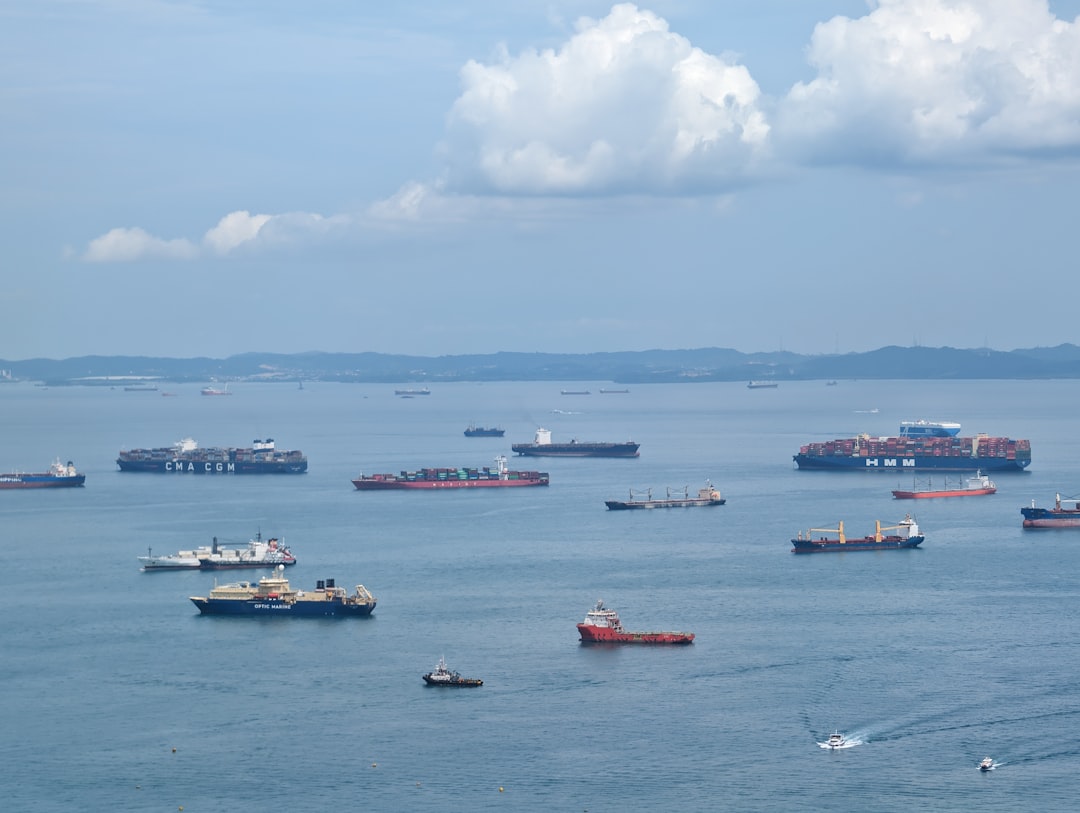
Current Maritime Operations
Reports indicate that a small tanker, identified within the context of the ‘dark fleet’, along with a bulk carrier, has attempted to cross the strait in recent days without active location signals. Such movements have been evident on both sides of the strait, as vessels have appeared in the Persian Gulf or Gulf of Oman after previously transmitting from the opposite side. This operational strategy reflects an increasing reluctance to transmit location data amidst escalating military confrontations between the US and Iran.
Impact of Regional Tensions
The preference for navigating without transponders has emerged in conjunction with a wave of Iranian attacks on vessels utilizing the southern passage along the Omani coast. Shipowners are now faced with the dilemma of potentially choosing between routes that either risk incurring costs imposed by Iran or adhere to pathways deemed unsafe by escalating Iranian aggression. The last recorded observable entry via the southern corridor occurred on Wednesday, underscoring a potentially alarming shift in shipping patterns.


In light of these tensions, conflicting statements from US and Iranian officials regarding the operational status of the Strait of Hormuz create further uncertainty. Iranian authorities have claimed that transits require prior consent from designated maritime entities, whereas US Central Command has asserted that safe passage remains achievable for willing vessels. This dual narrative exemplifies the strategic complexities confronting maritime operators in this crucial shipping lane.
Behind the Headline
The operational landscape in the Strait of Hormuz presents significant challenges for shipping companies as they navigate heightened geopolitical risks. The trend of dark crossings reflects not only the immediate safety concerns but also broader market dynamics affecting vessel routes and transit costs. As operators weigh the implications of US sanctions against potential Iranian interference, it becomes critical to monitor further escalation of military actions and adapt accordingly. Future movements through the strait will likely hinge on ongoing diplomatic developments and the operational responses of naval forces in the region.