Kongsberg Maritime has entered into an agreement to acquire Berg Propulsion, a Swedish company recognized for its expertise in propulsion technologies. This strategic acquisition is aimed at expanding Kongsberg’s capabilities across various commercial vessel segments while enhancing its aftermarket business portfolio.
The Acquisition Details
While the specific financial terms of the deal have not been disclosed, Kongsberg stated that the transaction is positioned at a similar EV/EBITDA ratio to its own current market valuation, suggesting a strategic alignment in their business metrics.
The acquisition remains subject to regulatory approvals, highlighting the planned scrutiny of such a deal within the industry. Kongsberg’s move reflects its ongoing commitment to integrating advanced technological solutions to improve efficiencies within maritime operations.

Strategic Implications
By integrating Berg Propulsion into its organizational framework, Kongsberg aims to enhance not only its product offerings but also its capacity to deliver comprehensive support and aftermarket services to clients. This aligns with industry trends favoring integrated solutions and deeper partnerships between technology providers and operators.
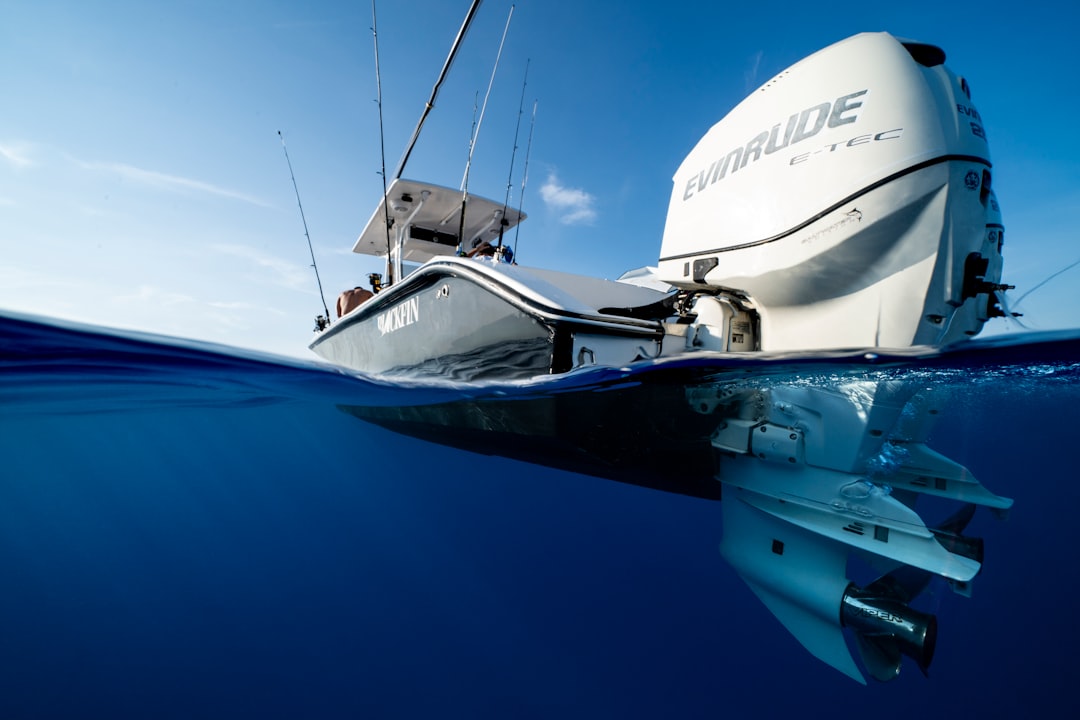
Moreover, Kongsberg will likely focus on leveraging Berg’s established reputation in propulsion technology to explore new market opportunities and enhance its competitive edge. The marine propulsion sector is pivotal for optimizing vessel performance, and Kongsberg’s investment indicates a clear objective to remain at the forefront of technological advancements in this critical area.
Behind the Headline
The acquisition of Berg Propulsion by Kongsberg Maritime marks a significant move within the maritime technology sector, reflecting a broader industry trend towards consolidation and specialization. For operators, this development signals a potential increase in the availability of integrated propulsion and aftermarket solutions, which can enhance operational efficiencies and reduce downtime. Monitoring the integration process and potential innovations stemming from this partnership will be crucial for stakeholders looking to navigate the evolving landscape of maritime technology.