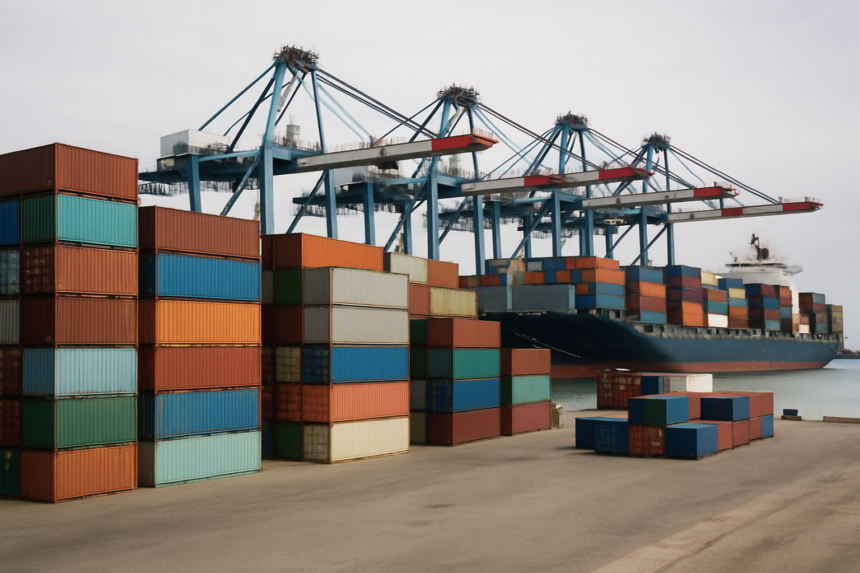
Geopolitical fragmentation and shifting trade dynamics are significantly transforming the global shipping landscape, as discussed by industry leaders during a panel at Posidonia. The consensus among shipowners, brokers, and analysts underscores the need for adaptation in response to emerging geopolitical tensions and energy security considerations.
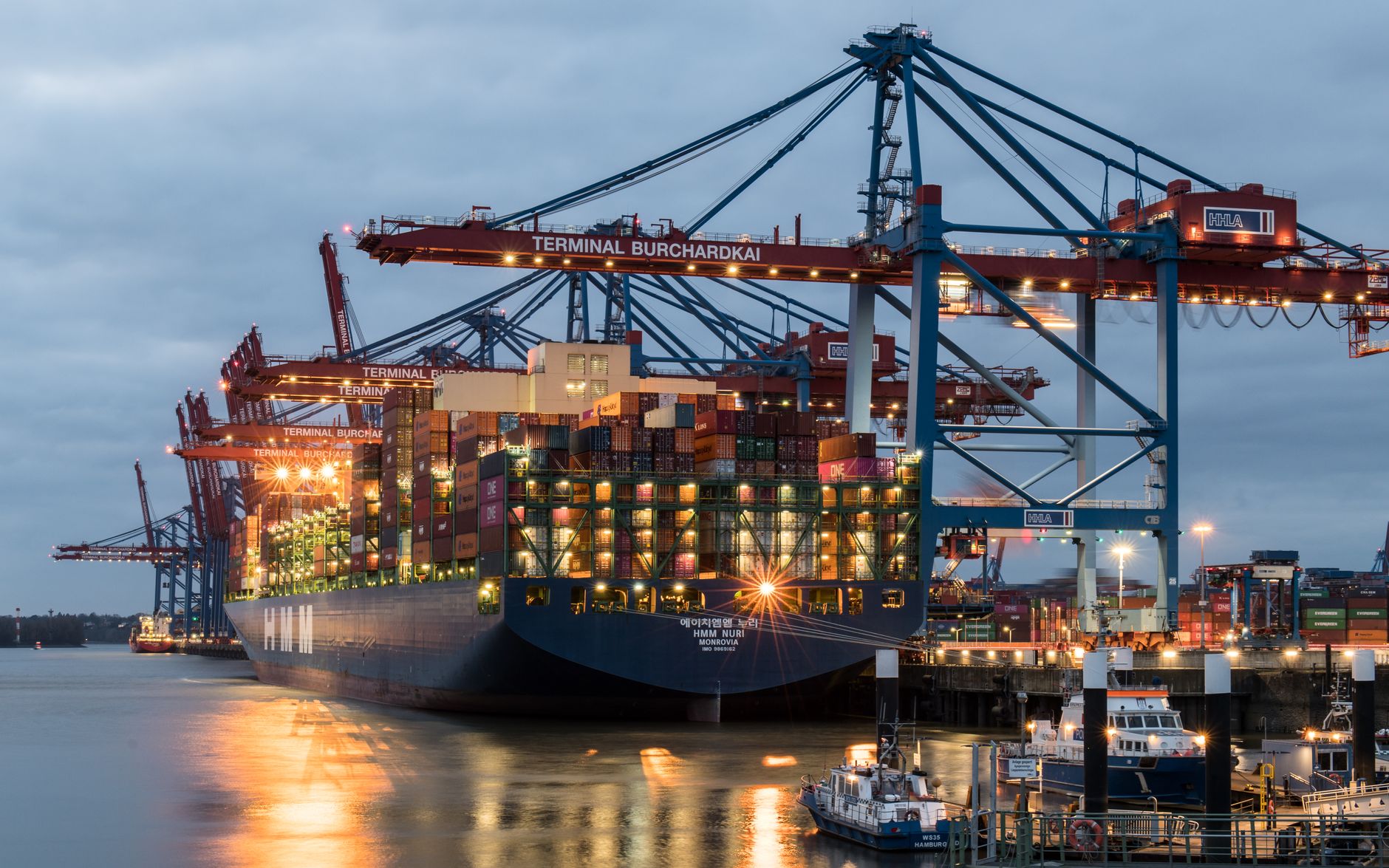
Operational Shifts in Shipping
According to Alex Haubert, director at Hong Glory Bulk, the evolution has intensified over the last five to six years, moving away from an era characterized by minimal risk and optimized supply chains. Haubert noted, “We moved from a world where the risk rate was zero, money was worth nothing, and moving commodities was all about efficiency, efficiency and price.” This transition has led to increased scrutiny of shipping operations, as vessels are seen as extensions of global supply chains, with resilience and security being prioritized alongside efficiency.
Impact of Rising Interest Rates
The panel highlighted that recent hikes in interest rates have fundamentally altered the economics surrounding commodity trading. With financing costs rising, inventory management and cargo movement have become more complex. “Supply chains essentially snapped,” Haubert remarked, emphasizing the ballooning costs associated with moving goods in an increasingly uncertain financial environment.


Geopolitical Risks and Market Adaptation
George Mangos, co-founder and director of SOKANA, pointed out that the shipping industry is contending with changes that transcend immediate market fundamentals. He described the emergence of “two entirely separated fuel distribution systems,” a direct response to geopolitical fragmentation and competition between major economies. Mangos calls for an updated mindset within the industry as established norms are challenged and the complexities of global operations become paramount.
Behind the Headline
The evolving geopolitical landscape necessitates that shipping operators reassess traditional practices to ensure continuity and reliability in logistics. The traditional focus on cost efficiency is being replaced by a dual necessity for resilience and strategic risk management. As traders increasingly internalize risks amid geopolitical uncertainties, the shipping industry will need to establish robust contingency frameworks and adaptive strategies to navigate this new reality. Monitoring geopolitical developments and their impact on fuel distribution will be crucial for operators aiming to maintain competitiveness in an increasingly fragmented market.