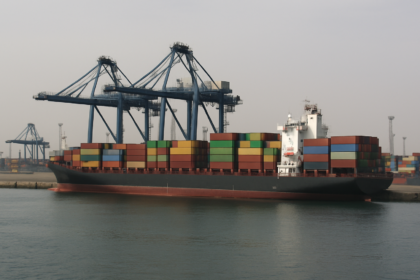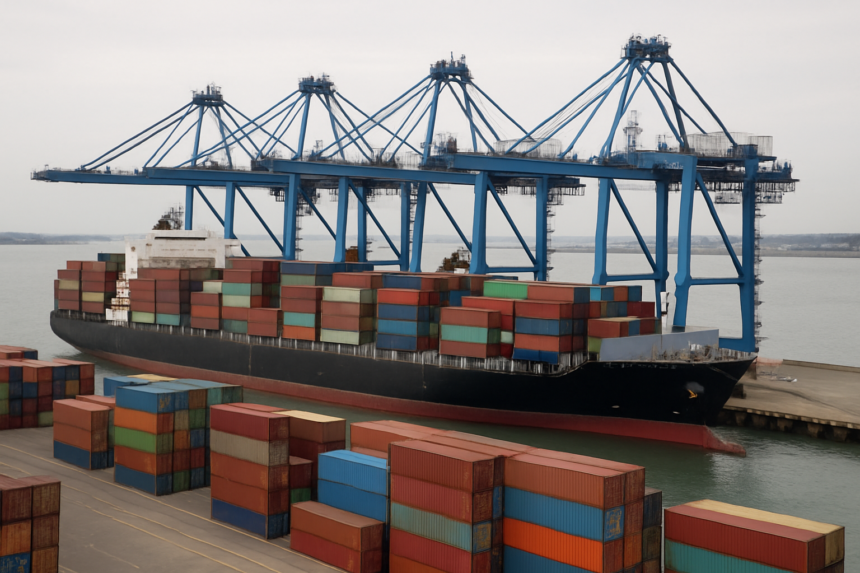
The 2026 rankings in the Xinhua-Baltic International Shipping Centre Development Index (ISCDI) indicate a significant shift in the global maritime landscape, with Shanghai ascending to the position of the world’s second-most prominent shipping hub. This report, developed in collaboration with the Baltic Exchange and Xinhua News Agency, illustrates Shanghai’s steady climb from seventh place in 2014 and its enhanced status among global shipping centers.
Key Rankings and Scores
According to the 2026 ISCDI report, Singapore maintains its top position as the leading international shipping center for the thirteenth consecutive year, achieving an impressive score of 99.32 out of 100. The city’s strategic location and robust maritime services, which encompass finance, insurance, and legal expertise, underpin its dominance as a key player in maritime logistics, including advancements in alternative fuel development and technological innovation.
Shanghai’s score of 84.27 allowed it to overtake London, which recorded a score of 81.80, to secure the second position. The consistent performance of Shanghai as a hub for containerized trade marks a notable trend in its global maritime ascent.


Trends Among Global Shipping Centers
The 2026 ISCDI report also highlights the ongoing rise of China’s port cities. Ningbo-Zhoushan has climbed to sixth place with a score of 71.09, surpassing Rotterdam, which fell to seventh with a score of 70.22. Moreover, New York/New Jersey has risen two places to eighth, scoring 69.50, while Athens/Piraeus and Hamburg remain in the top ten but saw a drop in rankings.
The analysis reveals that while established centers like Singapore and Shanghai maintain their stability, competition among the top maritime hubs is becoming increasingly dynamic. Though no new centers have entered the top 20 this year, the movements within the rankings indicate a shifting global competitive landscape.
Evaluation Criteria for Rankings
The ISCDI evaluates 43 international shipping centers using a comprehensive framework that includes a variety of indicators such as cargo throughput, crane counts, container berth lengths, and port draught. Additionally, the report assesses the robustness of maritime services including shipbroking, ship management, finance, and legal services, while also considering customs efficiency and the overall logistics performance, which are crucial for operational efficiency.
Behind the Headline
The significant rise of Shanghai in the 2026 ISCDI reinforces the view that China’s maritime connectivity and service capacities are becoming increasingly competitive against traditional shipping hubs. For operators, this shift may prompt changes in logistics strategies, including potential adjustments in shipping routes and port choices. Stakeholders in the industry should closely monitor the evolving standings of these global centers as they reflect broader trends in maritime trade and economics. The competition among established centers suggests that innovations in operational efficiency and service offerings will be critical to maintaining leadership in the global shipping landscape.