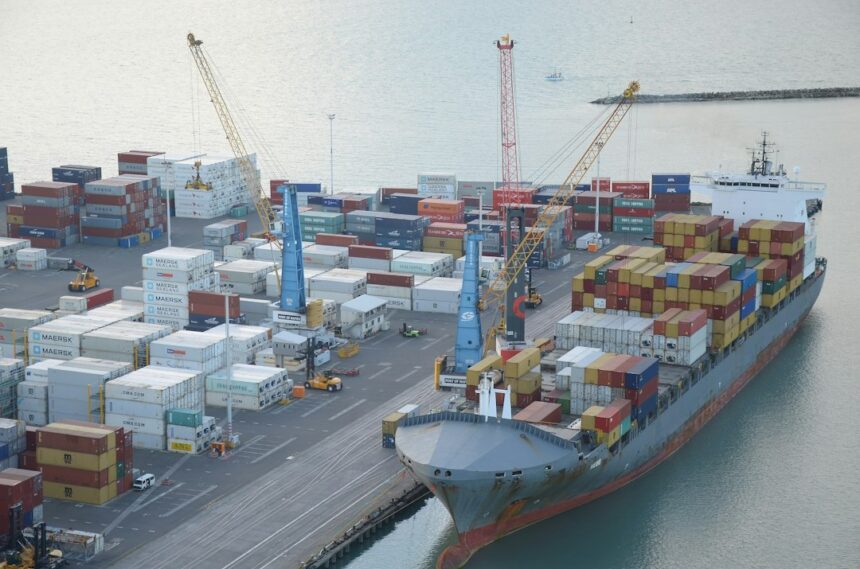
The United States has announced plans for new tariffs impacting imports from 14 economies, heightening uncertainties in the container shipping sector. The Office of the United States Trade Representative (USTR) published its findings on Wednesday, focusing on industrial overcapacity as a primary reason for these proposed import duties.
The Trade Context
This recent tariff proposal is expected to affect several of the world’s largest manufacturing and container export hubs, which are vital to global supply chains. The targeted nations include major players in consumer goods and industrial production, raising concerns among shipping operators who heavily rely on these trade routes. The tariffs could disrupt established shipping lanes and lead to increased costs for importers and exporters alike.
Industry Reactions
As the USTR moves forward with the investigation, stakeholders in the container shipping industry, including logistics operators and freight forwarders, are bracing for the impact of potential tariffs. Increased operational costs resulting from these tariffs may ultimately be passed on to consumers, contributing to inflationary pressures within domestic markets. Additionally, uncertainty regarding future tariff implementations could further complicate planning and logistics for shipping companies.

The Operational Read
The new tariff proposals from the U.S. government create a layer of unpredictability for operators in the container shipping market. With the industry already facing challenges from global supply chain disruptions and fluctuating fuel prices, the possibility of increased tariffs adds further complexity. Operators must now assess how these tariffs may alter their cost structures and supply chain strategies, emphasizing the need for agile logistics solutions. Monitoring tariff developments closely will be critical for maintaining competitive operations in a rapidly changing environment.